ASTM A36 Steel General Information
The ASTM A36 steel specification was first issued in 1960. Today, engineers specify ASTM A36 for more structural steel fabrications than any other type of plate. As a result, this product is the most purchased hot-roll steel plate in the world and the least expensive of the commercial carbon steels. The heat ability creates very good welding properties, and the 36 KSI yield strength makes it acceptable for most applications. Furthermore, A36 is a mild steel due to it’s relatively moderate hardness.
In addition, A36 is a structural-quality mild carbon steel used in general construction applications, including bolted or welded construction of buildings, bridges and common machine parts to name a few.
A36 Chemical Composition
[table id=15 column_widths=”60%|40%” /]
A36 Physical Properties
[table id=1 column_widths=”60%|40%” /]
Common Uses of ASTM A36 Steel Plate
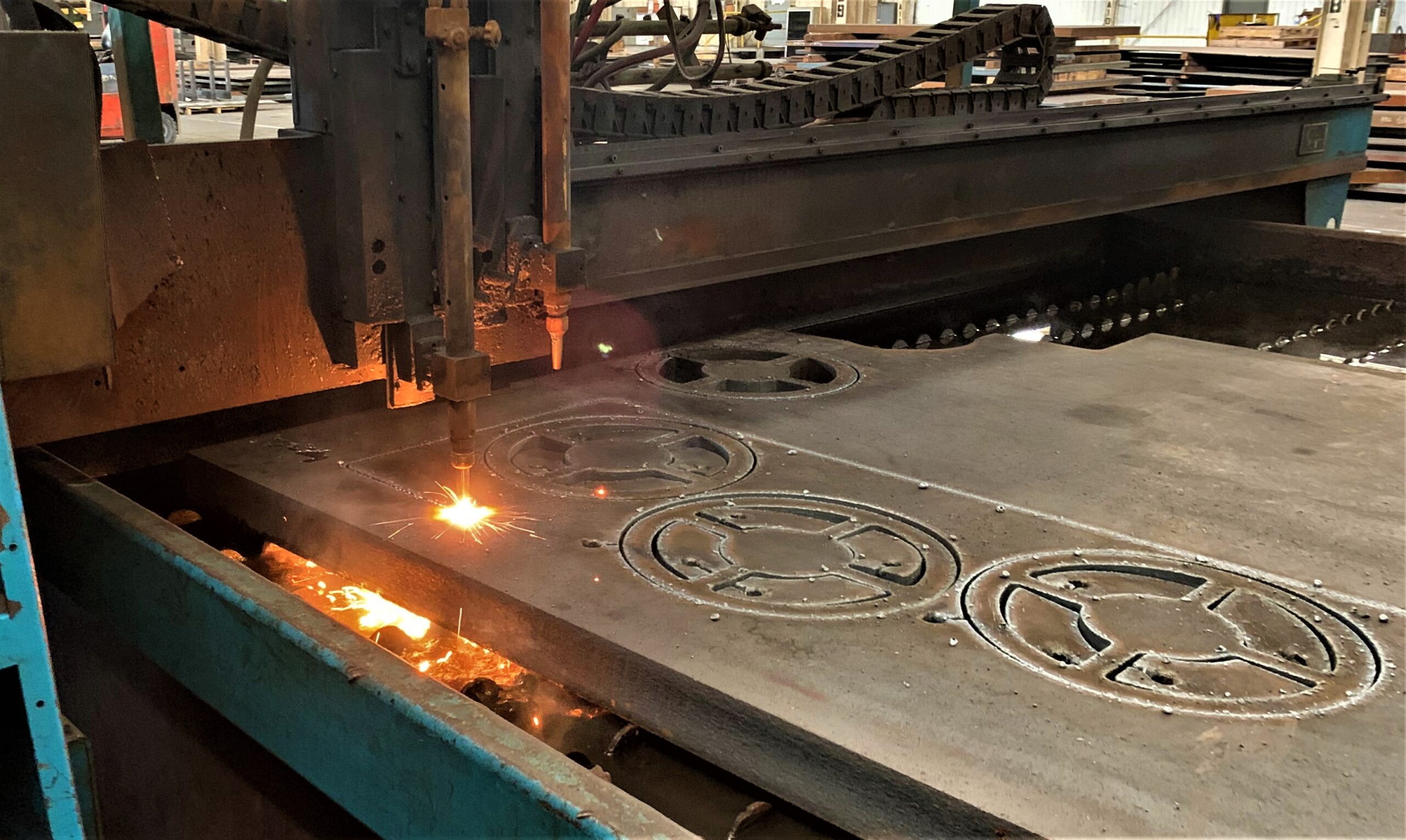
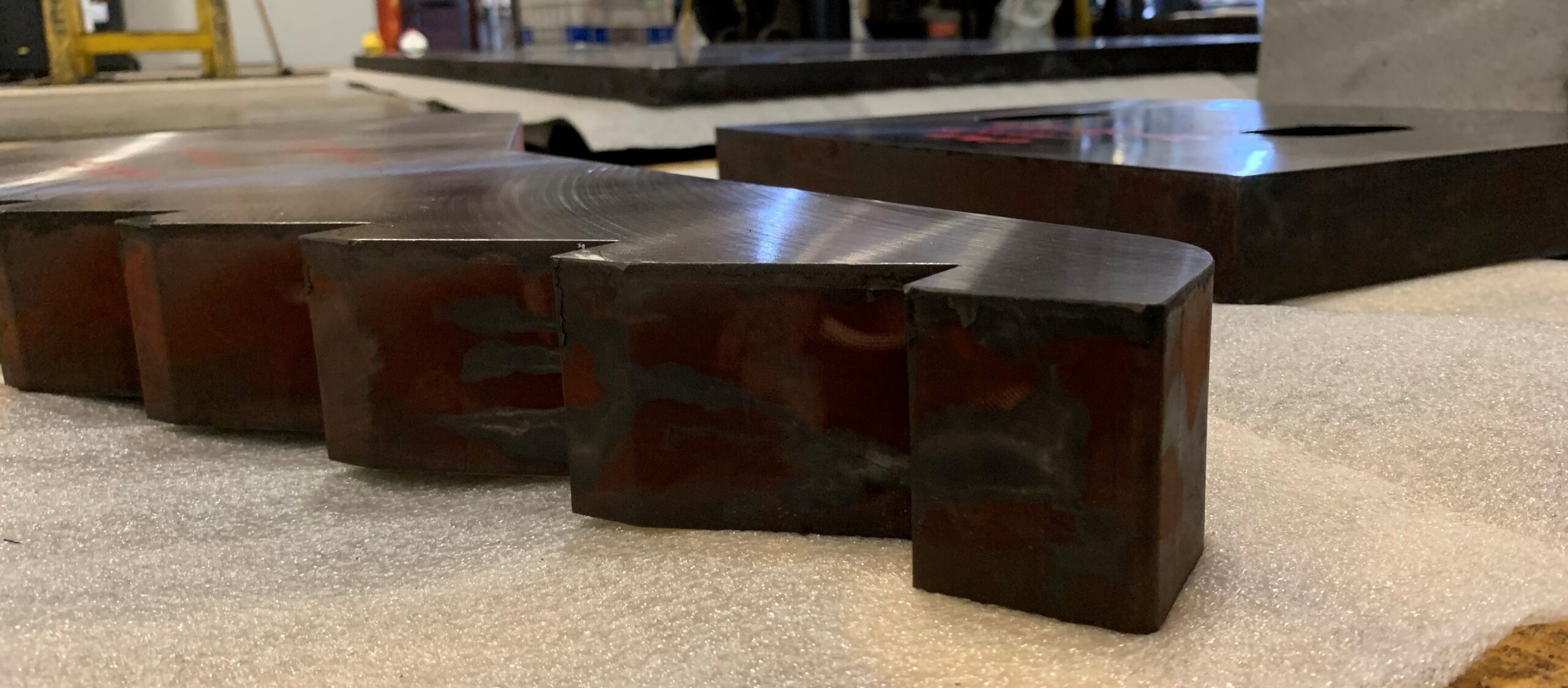
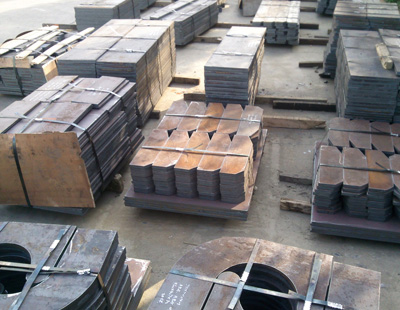
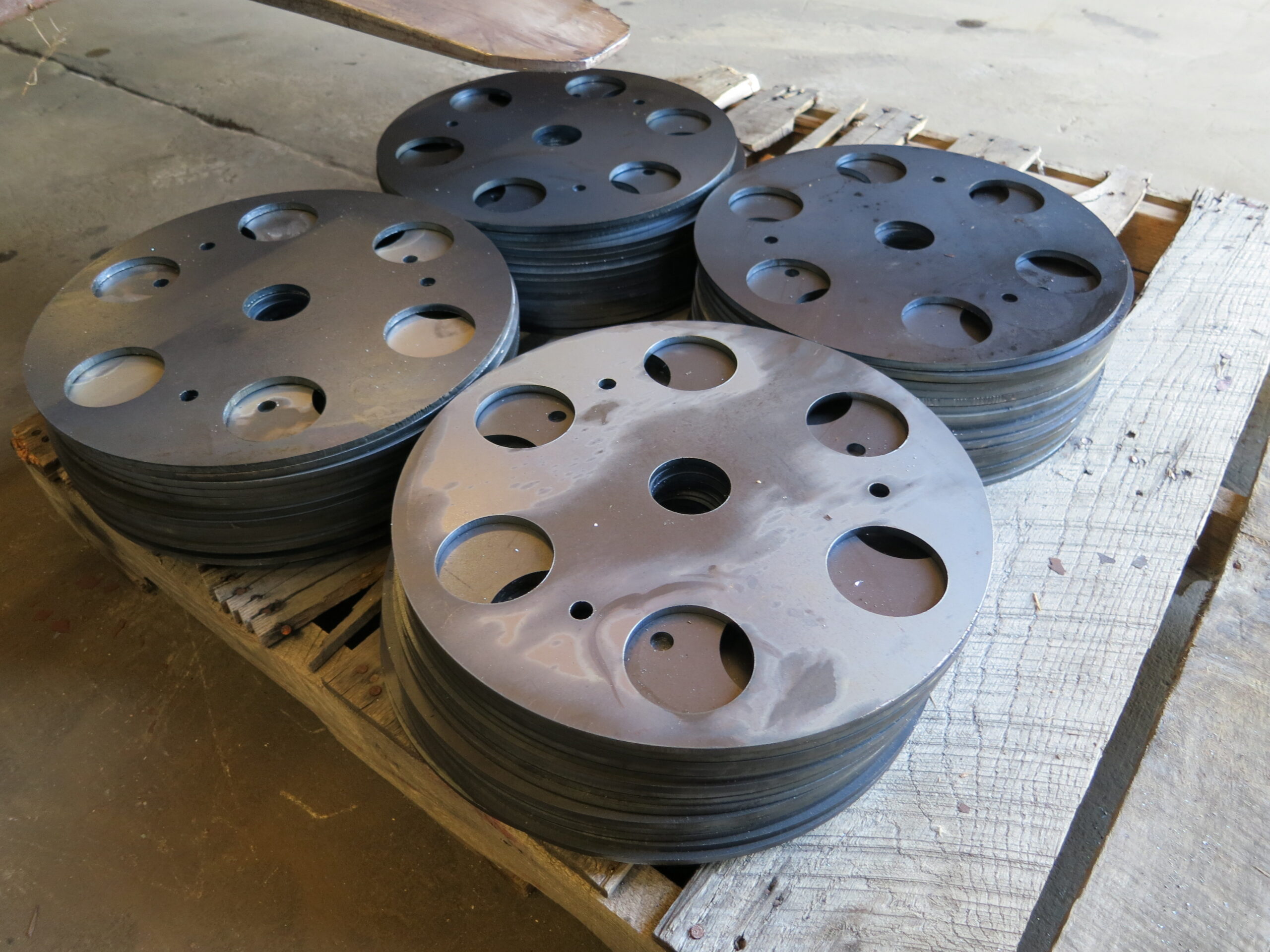
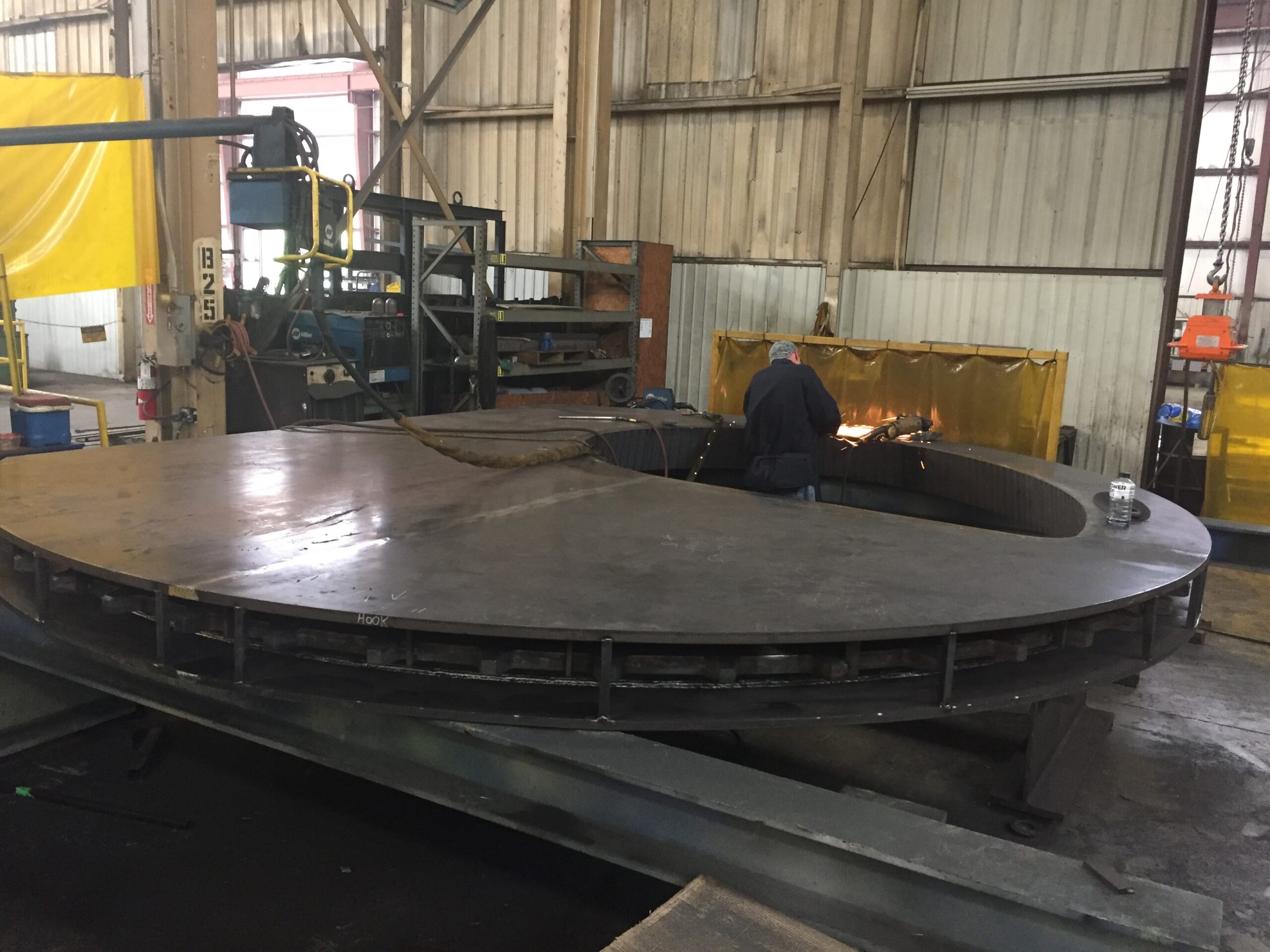
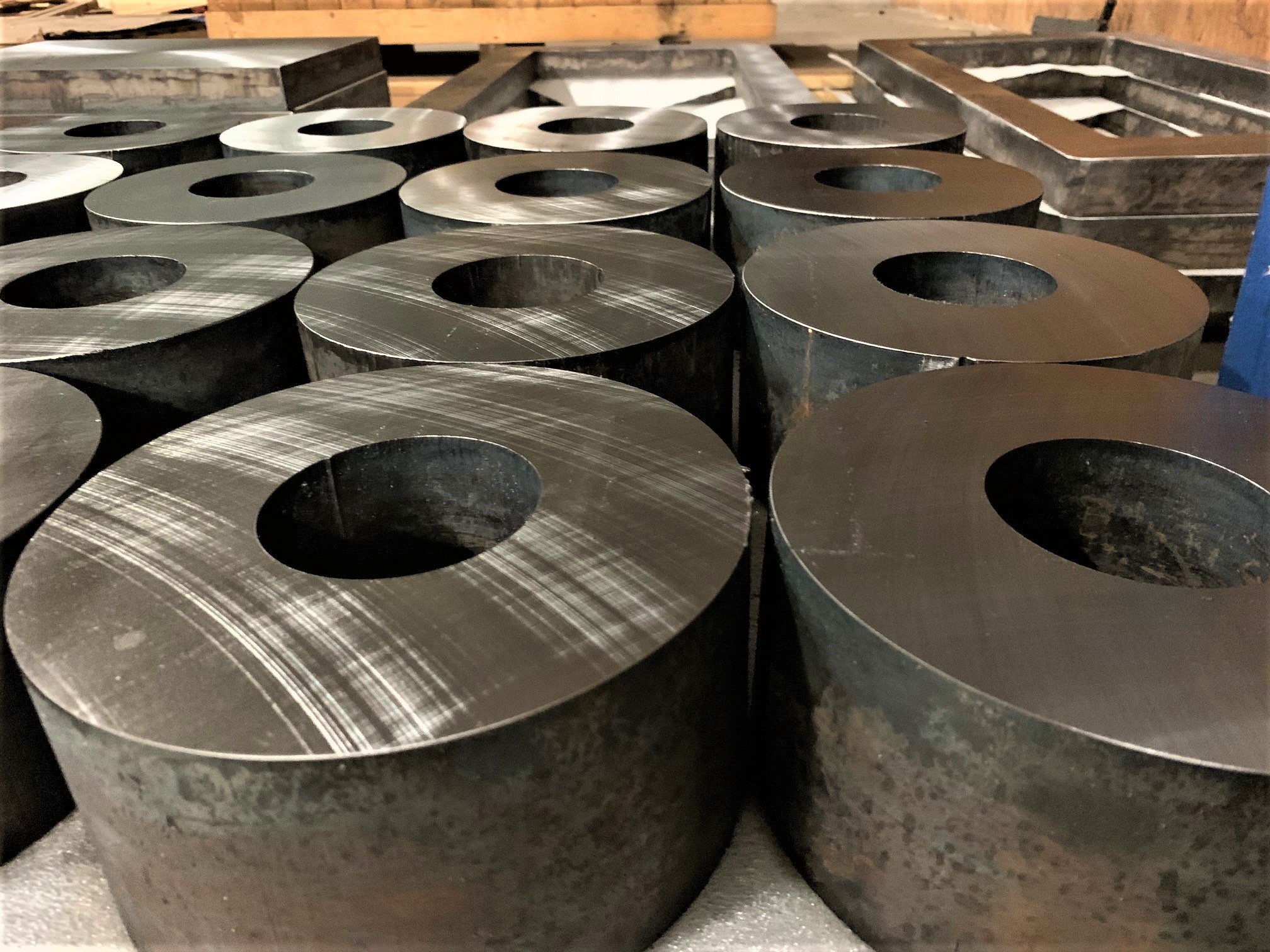
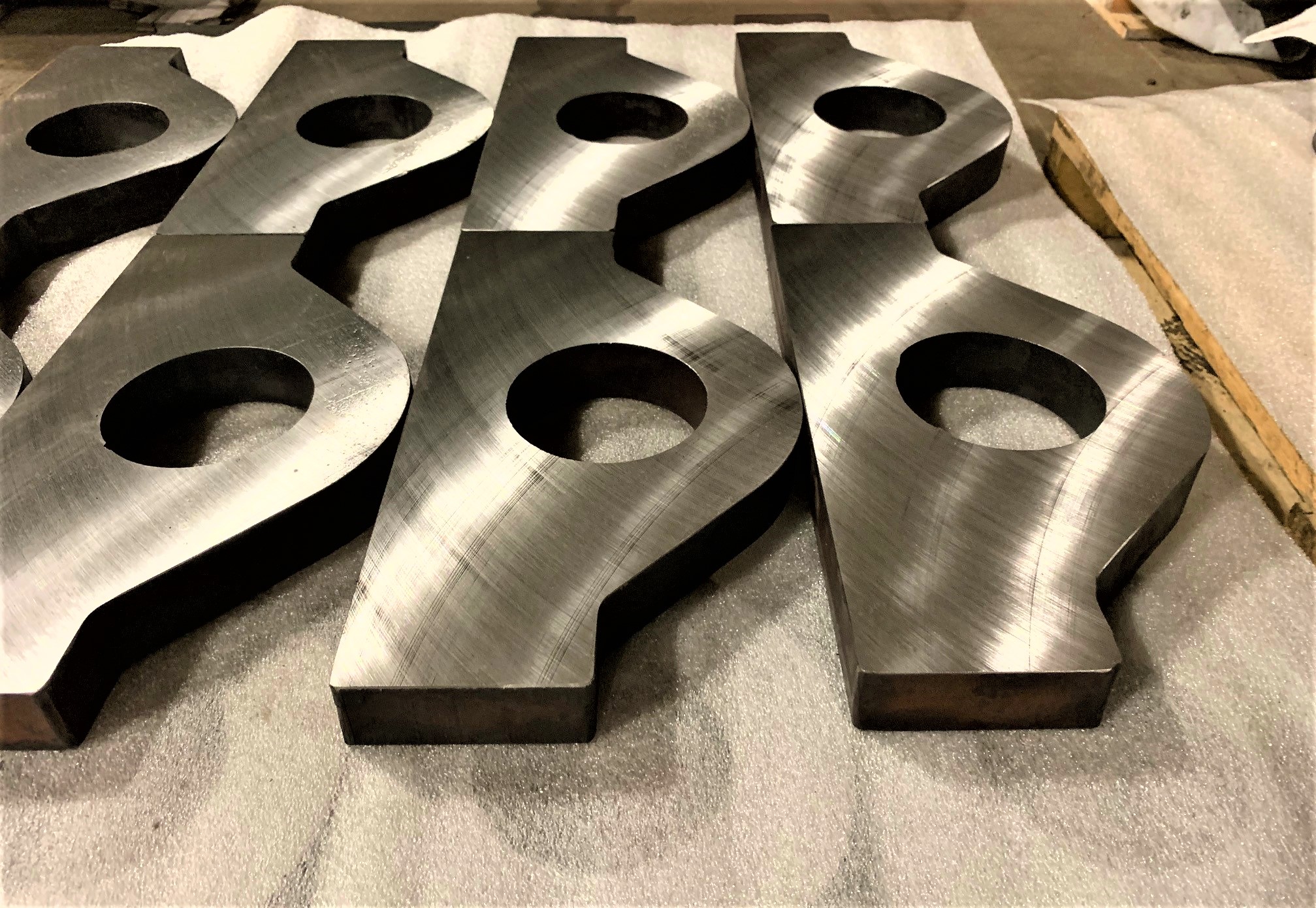
Common uses of A36 include shim plates, gusset plates, bridge plates, bearing plates, robot bases and column base plates. Also, we typically cut A36 for press parallels, press platens, tooling plates, machine plates, machine frames and pedestals, steel table tops, base plates, mold & die and machine mounting plates.
We provide mill certifications or material test reports (MTR’s) upon request. Mill test reports (MTR’s) include plate specifications, heat numbers, chemical and physical properties listed by the manufacturer or producing mill. PGI Steel stores an electronic file copy of each MTR, indefinitely.

